Need vs Wants
How often have you been told ‘spend money wisely’? More often than you’d like?
Well it is extremely well meaning advice! But, what does it mean?
All our expenses can be classified under two heads—‘Needs’ and ‘Wants’. The aim should be to spend/save money for your needs and then take care of your wants. It is unwise handling of money when you spend too much on your wants and too less on your needs.
While you don’t have to worry about your basic needs as children, because your parents take care of you, but it is still important for you to understand what this is. It is important to distinguish between needs and wants so that you can understand the spending choices your parents make and make better choices yourself.
Plan [plan] - a detailed proposal for doing or achieving something.
Track [trak] -follow the trail or movements of (someone or something), typically to find them or note their course/path.
If you look around you, and more importantly look within, you will realise that almost all our troubles are a result of our mistaking our wants for our needs, and making them the focus of our pursuits. Understanding the difference between needs and wants and being able to prioritise them is a critical life skill and will serve you well for the rest of your lives.
This skill is particularly important for your generation, because you are surrounded by things that you do not need. With all the pictures, movies and advertisements on tabs, television, magazines and smart phones, many children have come to believe that they need the latest toys or fancy clothes. It is up to us as individuals to learn what true needs are and how to prioritise everything else.
Needs: A need is something that is essential for you, irrespective of the financial situation/conditions
Wants: These are things you wish to have.
Examples of needs: We need the basics in food, water, medicines, clothing, shelter, transportation, electricity, television, cell phones, etc.
Examples of wants: One may want the latest iPhone, iPad, comic books, wide-screen LED television, fancy toys, a pet or a cycle with gears.
Caution
Just about any "want" can be rationalised as a "need" in our mind if we work hard enough. It takes discipline to keep wants and needs separate, and those who can do that are more likely to live within their means, while those who don't are more likely to get into financial trouble.



Millions of intelligent adults all over the world are in deep financial trouble because of their inability to distinguish between needs and wants.



Every time you want to buy something, think instead: ‘Do I really need it?’
While making a savings plan, plan for your needs first. There are likely to be short-team plans.
When you do consider borrowing money, remember that it is an option only if you really need something. One must never borrow to simply fulfill one’s wants.
Remember, wants are also important, but your needs can/should not be neglected because of your wants.
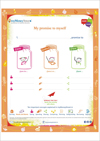
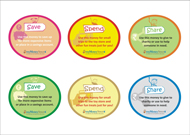
- Print the sticker given here and paste it on top of your piggy bank, money jar or any other place where you will see it every time you take out money to spend.
- Remember spend on needs first. Save for your wants.
- Print the given sheet, fill it up and put it up in your room.
- Mention the things you will spend on and you will save for during the month. You may keep adding items as you go along.
- Review it every week to ensure you are keeping your promise.
- Print a new sheet every month or every time you fulfil the promise made on the previous one.